On Fatherhood
And The Spills Of Life

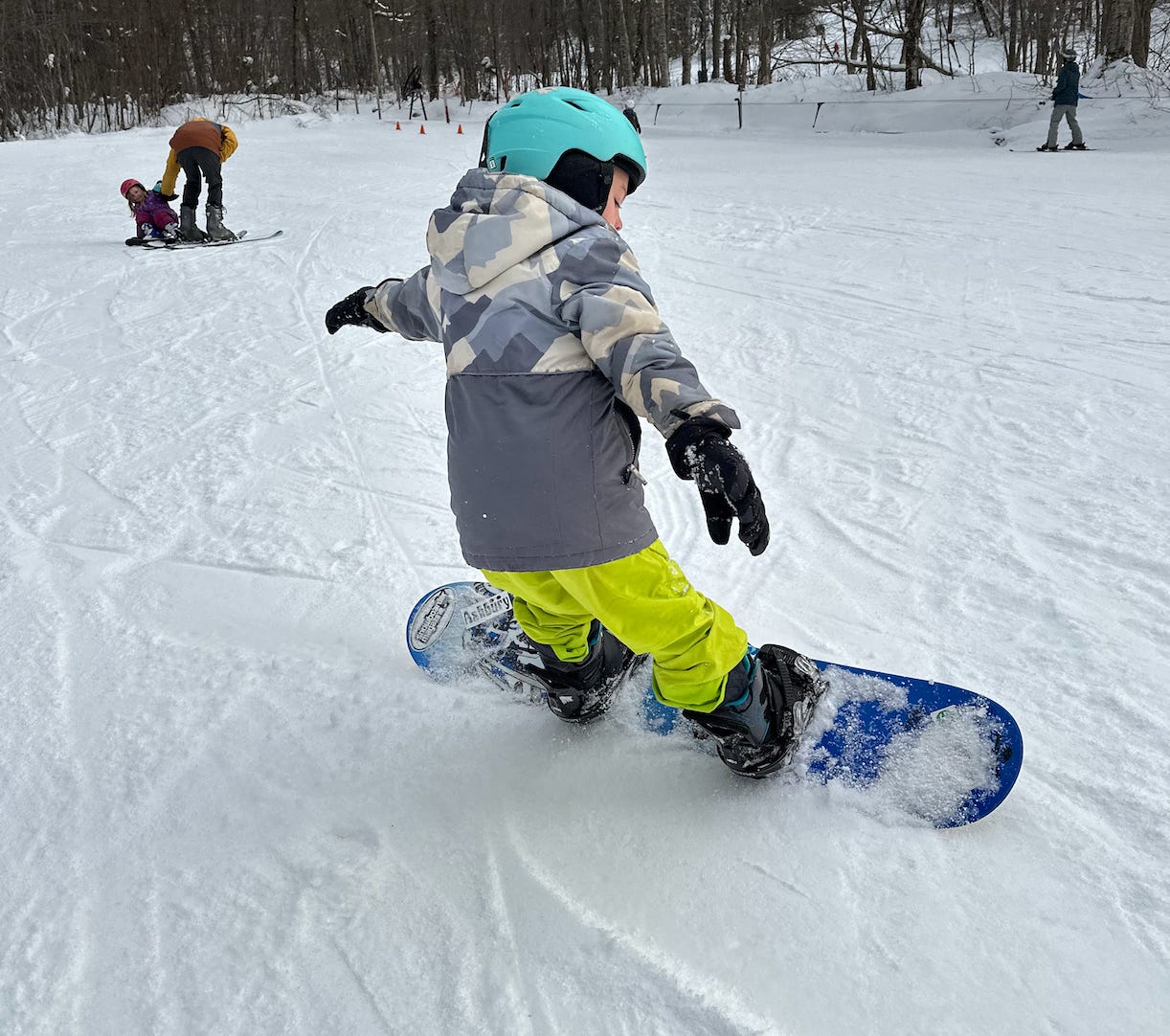
There are not many things I need my kids to become. I don’t particularly care what they choose for a profession. I don’t particularly care what honors or demerits they earn along the way. My children will become who they become. Their lives belong to them, not to me.
I hope that, in some small way, my role as a father has served as a talisman against the harder truths of life, against cruelty, bitterness, cynicism, and all the other things I hope my children never become.
I do not want them to become hateful or cruel. I do not want them to become dishonest or bitter. I do not want them to become so afraid of failure that they never attempt anything meaningful. I don’t want them to be lonely, or unhappy, or to mistake vanity for connection. I don’t want them to know about the things I saw in Emergency Medicine: dependency, accidents, and addiction.
In my better moments as a father, I have tried to teach them things that might shield them from some of life’s harsher realities. I have tried to teach them kindness because I know what bitterness does to people. I have tried to teach them gratitude because I know what want feels like. I have tried to teach them resilience because unhappiness visits every life eventually, and no amount of wishing can keep it away forever. Mostly, I’ve tried to help them find joy. Isn’t that what we’re doing when we pitch tennis balls to little boys for hours to hit “dingers” and build treehouses for little girls? Isn’t that what we’re doing with birthday cakes and sledding in the snow?
In my worst moments, I worry that I have shown them glimpses of the very things I hoped to protect them from. They have seen my frustration, heard my anger. They have watched me fail. Every parent eventually discovers that children learn not only from our lessons but from our examples, and these are much harder to control.
Fatherhood changes the way a person thinks about nearly everything, but it doesn’t magically bestow wisdom or a new personality free of fault. It just adds consequence.
Having children allows you to live forever. There is truth in that, it’s all that will go on of us after we die. Long after we’re gone, some part of me will remain in them. Our expressions, our stories, our habits, our values, perhaps even our mistakes, will continue walking through the world in separate bodies.
But there is a price attached to that immortality.
The price is that you bring into the world people you love more than yourself. You create human beings for whom you would willingly step into traffic, take a bullet, or surrender years of your own life without hesitation. And then you realize that despite all your efforts, they too will suffer and know heartbreak. They will lose people they love and fail at things that matter deeply to them. They will discover that the world is not fair, and there is very little a father can do to stop it.
That’s the part of fatherhood that sucks. It’s not the laundry or the bikes left out in the rain. It’s knowing what they’re in for.
Having kids changes everything and nothing. The concerns that once consumed you begin to seem smaller. Eventually, you acknowledge that the solipsism of adolescence and young adulthood was temporary. You are no longer the central character in your own story, or you shouldn’t be, anyway. But you still have selfish desires, you still want some of the spotlight. You’re still the same you.
You begin thinking about morality differently. You think about what kind of example you are setting, and about personal legacy not as a résumé but as a set of values passed from one generation to another. You begin to understand that character is not what you say but what your children see.
My father never explained this to me.
He never sat me down and delivered a lecture on fatherhood. He taught it the way most good fathers teach things: through actions. My childhood home was not dominated by divorce, addiction, chaos, or violence. This was a stark contrast to how my father grew up. I did not appreciate that as a child because children mistake stability for normalcy and only later do you understand what an extraordinary gift normal can be.
By certain standards, I have done much with my life. I have pursued sport, service, science, and now business. I have sought excellence in ways that would have seemed impossible to the boy I once was and accumulated experiences that make for good stories and respectable biographies. But I have become increasingly aware that such accomplishments have a surprisingly short half-life.
Eventually, the achievements that once seemed monumental become footnotes. In all likelihood, only my children will truly miss me when I am gone. At first glance, that sounds sad, but it isn’t. It may be the most comforting thought I know.
Because if I have done my job correctly, they will not remember me for the things that impressed strangers; they will remember me for being there. They will remember rides to practice, conversations around the dinner table, vacations, arguments, laughter, and forgiveness. They will remember a father who tried, imperfectly and inconsistently, to prepare them for a difficult world while never letting them doubt that they were loved. They will know how to get back up after a fall.
That’s the epitaph that matters.
Dan, that last paragraph says it all. Thank you for putting yourself into this writing. I am sharing it with both of my twenty something sons today.
Happy Father’s Day Daniel. The best lessons we can all teach our children is how to love and respect others, as well as ourselves. The rest, strength in the face of adversity, compassion in the face of loss and pain, sorts itself out and teaches us how to live a truly life filled with purpose. Strong, healthy role modeling, along with learning how to recover from the mistakes we all make along life’s path, is everything from birth to death. That is a enough work for us all in a single lifetime. Finally, luck is never destiny, but it sure helps. Have a fun day with your family - you have earned it.